
Connie’s Passage from Emptiness to Choice
Lady Chatterley's LoverThis flow follows Constance Chatterley from a life of mental and marital disconnection toward a bodily awakening that makes her choose a different future.
increasing Bearing strength in each event
 decreasing
Bearing strength in each eventdecreasingA Ruined Beginning
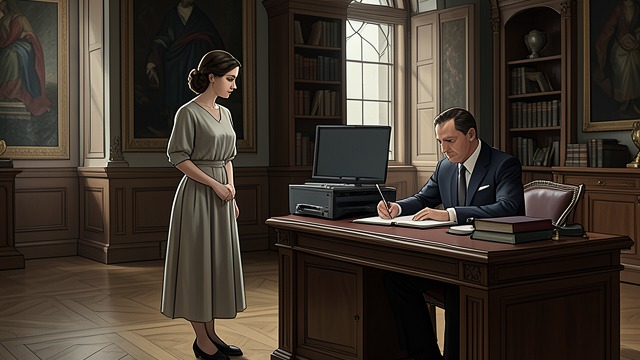
A Ruined Beginning
The marriage’s premise
Constance Chatterley returns from wartime upheaval with Clifford Chatterley to Wragby Hall. Their marriage rests on companionship and habit rather than physical intimacy.
Clifford’s paralysis and his inward numbness appear at first to be misfortunes the couple can absorb. The narrator makes them signs of a broader cultural injury.
An inheritance of detachment
Connie’s youthful sexual freedom had been shaped by talk, argument, and the ideal of personal independence. Bodily experience seemed secondary to mental connection.
At Wragby, the same priority governs her life with Clifford. Their verbal intimacy looks substantial until its repetition reveals a void neither spouse can name.
The Wasting of Her Life
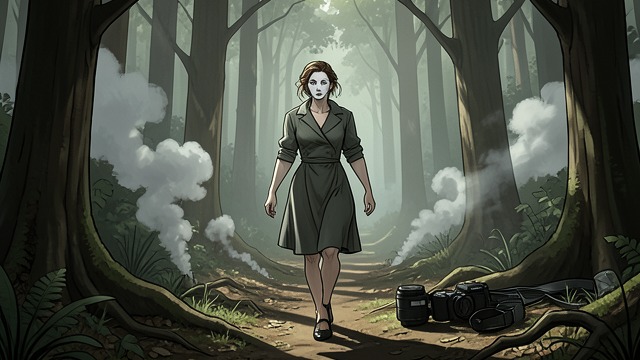
The Wasting of Her Life
A house without contact
Connie spends her days supporting Clifford’s writing and managing Wragby Hall. The house runs by routine, but its order supplies neither warmth nor meaningful connection.
The industrial landscape around Tevershall makes the couple’s isolation visible. Smoke, soot, and the burning pit-bank turn the surrounding country into an image of life slowly consumed.
Restlessness in the body
Connie grows thinner and increasingly restless, escaping into Wragby Wood even though she cannot yet feel joined to it. Her distress is physical before she can fully understand it.
Clifford’s idea of an integrated life does not relieve her. Her growing sense of nothingness signals that private habit cannot substitute for living contact.
A Choice Without Resolution
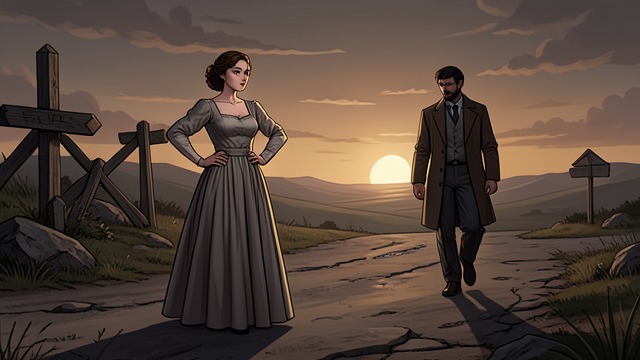
A Choice Without Resolution
Refusing the old arrangement
Connie tells Clifford that she loves Oliver Mellors and will not return to live as his wife. Clifford rejects divorce, insisting on his own preference rather than her changed decision.
Her departure breaks the domestic arrangement but does not settle the legal or social consequences. The child she expects makes the separation more consequential, not less uncertain.
A future deferred
Connie goes away with Hilda, while Mellors takes work on a farm and waits for his own divorce. Their plan depends on time, income, and circumstances beyond their control.
The ending offers commitment as a direction rather than a completed household. Connie has chosen a life with tenderness and bodily awareness, but the world that obstructs it remains in place.
At the opening, after the First World War
During Connie’s second winter at Wragby
Near the novel’s ending, after Connie leaves Wragby
